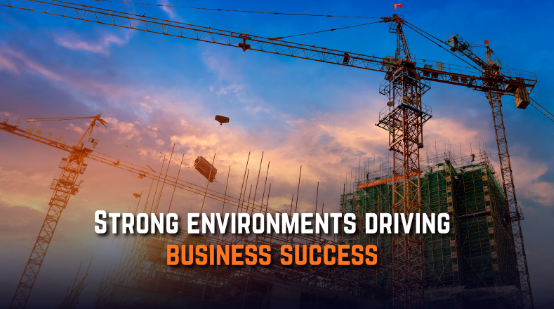

In a rapidly advancing global economy, commercial construction has become a defining factor in how businesses operate, scale, and remain competitive. Modern enterprises require more than just physical spaces; they need environments that support innovation, efficiency, and long-term adaptability. As industries evolve, commercial spaces are being designed with a forward-thinking approach that balances functionality, technology, and aesthetic appeal.
Redefining the Purpose of Commercial Spaces
Commercial spaces today are no longer static environments built solely for occupancy. They are dynamic ecosystems that influence productivity, collaboration, and customer engagement. Businesses are shifting toward spaces that reflect their identity while also providing flexibility to adapt to changing operational needs.
From corporate offices to retail establishments, the emphasis is on creating spaces that foster efficiency and growth. This transformation has led to the integration of design strategies that prioritize openness, natural lighting, and seamless movement within the workspace. Such environments not only improve operational flow but also enhance the overall experience for employees and customers alike.
Strategic Planning for High-Performance Environments
Effective commercial construction begins with strategic planning. Every aspect of the space must be carefully considered to ensure it supports the intended business functions. Layout design plays a crucial role in optimizing workflow, reducing inefficiencies, and improving communication within the organization.
In the context of Commercial Construction in Dubai, developers are increasingly focusing on innovative planning methods that align with global standards. The use of advanced design tools allows for precise visualization and execution, ensuring that every element of the space contributes to operational success.
Well-planned commercial spaces enable businesses to maximize their resources, improve productivity, and create a strong foundation for future growth.
Integrating Technology for Smarter Operations
Technology has become an essential component of modern commercial construction. Smart systems are now integrated into buildings to enhance efficiency, security, and sustainability. These systems allow businesses to monitor and control various aspects of their environment in real time.
Automated lighting, climate control, and energy management systems help reduce operational costs while maintaining optimal working conditions. Digital infrastructure supports seamless communication and connectivity, enabling businesses to operate more efficiently in a fast-paced environment.
By incorporating advanced technology, commercial spaces become more adaptable and capable of meeting the demands of modern businesses.
Flexibility and Adaptability in Design
One of the key characteristics of future-ready commercial spaces is flexibility. Businesses today operate in an ever-changing landscape, and their spatial requirements can shift rapidly. Flexible design solutions ensure that spaces can be modified without significant structural changes.
Movable partitions, modular layouts, and multi-functional areas allow businesses to adapt their environments according to their needs. This flexibility not only enhances usability but also extends the lifespan of the space, making it a valuable investment.
Adaptable commercial spaces provide businesses with the freedom to innovate and evolve without being constrained by their physical environment.
Ensuring Durability and Long-Term Performance
Durability is a critical aspect of commercial construction, as these spaces are subjected to continuous use and high operational demands. High-quality materials and robust construction techniques ensure that buildings can withstand wear and tear while maintaining their structural integrity.
A durable commercial space reduces maintenance requirements and minimizes disruptions to business operations. This reliability is essential for maintaining productivity and ensuring long-term success.
Investing in quality construction also enhances the overall value of the property, making it a sustainable and cost-effective choice for businesses.
Sustainable Practices for Responsible Development
Sustainability has become a central focus in commercial construction, driven by the need to reduce environmental impact and promote responsible development. Modern buildings are designed with energy efficiency and resource conservation in mind.
Features such as energy-efficient lighting, water-saving systems, and eco-friendly materials contribute to reducing the carbon footprint of commercial spaces. Sustainable design not only benefits the environment but also results in significant cost savings over time.
Businesses that adopt sustainable practices demonstrate their commitment to environmental responsibility, which can enhance their reputation and appeal to stakeholders.
Enhancing Brand Identity Through Design
Commercial spaces play a vital role in shaping how a business is perceived. The design and functionality of a space can influence customer impressions and employee satisfaction. A well-designed environment reflects professionalism, innovation, and attention to detail.
From the choice of materials to the layout and lighting, every element contributes to the overall ambiance. Creating a space that aligns with the brand’s identity helps businesses establish a strong presence and build lasting relationships with clients.
By focusing on design excellence, businesses can create environments that inspire confidence and drive engagement.
Conclusion
The development of strong commercial spaces is essential for building future-ready business environments. Through thoughtful planning, advanced technology, and sustainable practices, commercial construction continues to evolve to meet the demands of modern industries. These spaces are designed to enhance efficiency, support growth, and provide long-term value. Collaborating with experienced construction contractors in dubai ensures that commercial projects are executed with precision, quality, and innovation, enabling businesses to thrive in an increasingly competitive and dynamic market.