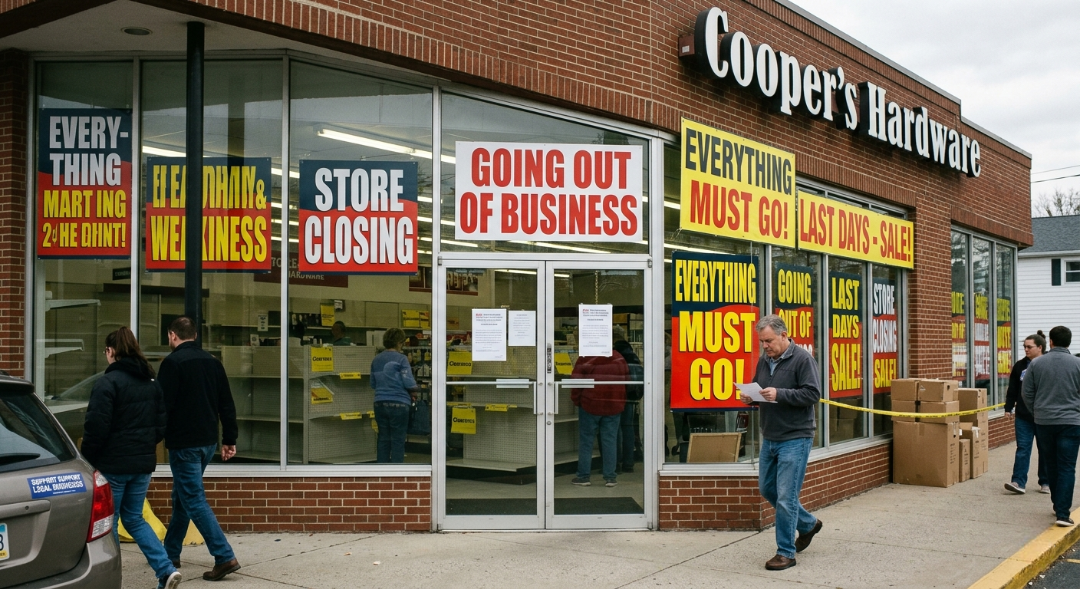

The topic of Coopers hardware store chain closures has attracted growing attention as customers search for answers about store shutdowns, changing ownership, and the future of one of the most recognizable local hardware retailers in its markets. Hardware stores are more than places to buy tools they’re community hubs where homeowners, contractors, and DIY enthusiasts rely on knowledgeable staff and dependable inventory. When closures occur, they affect local economies, employees, suppliers, and loyal customers alike. This guide explores everything known about Coopers hardware store chain closures, the business factors behind them, their impact on shoppers, and what consumers should do next if their local store has closed.
Understanding Coopers Hardware
Coopers Hardware built its reputation by offering a broad selection of home improvement products while delivering personalized customer service that large national retailers often struggle to match.
Many customers appreciated the chain for its:
- Friendly and knowledgeable employees
- Convenient neighborhood locations
- Competitive pricing
- Quality hand tools
- Paint supplies
- Plumbing and electrical products
- Lawn and garden equipment
- Seasonal merchandise
Unlike warehouse-style home improvement stores, Coopers Hardware focused on creating a local shopping experience where customers could receive practical advice for projects ranging from minor household repairs to major renovations.
Why Are People Searching for Coopers Hardware Store Chain Closures?
Search interest has increased because customers have noticed:
- Local stores permanently closing
- Clearance sales
- Empty shelves
- Reduced operating hours
- Changes in ownership
- Store rebranding
- Limited inventory
- Employee layoffs
Whenever a regional retailer begins closing locations, uncertainty naturally follows. Customers wonder whether gift cards remain valid, warranties will be honored, and whether nearby stores will remain open.
Have Coopers Hardware Stores Actually Closed?
Reports of Coopers hardware store chain closures generally involve selected locations rather than every store simultaneously. Retail chains frequently evaluate each location independently based on financial performance and local market conditions.
Store closures can occur for several reasons, including:
- Declining profitability
- Lease expiration
- Property redevelopment
- Corporate restructuring
- Acquisition by another retailer
- Economic pressures
This means that while some Coopers Hardware locations may close, others can continue operating normally.
Why Hardware Store Chains Close Locations
Several factors have reshaped the retail hardware industry over the past decade.
1. Competition from Big-Box Retailers
Large home improvement chains benefit from enormous purchasing power.
Advantages include:
- Lower wholesale costs
- Larger inventories
- Extensive online shopping
- Nationwide distribution
- Aggressive promotional pricing
Independent and regional chains often struggle to compete on price while maintaining healthy profit margins.
2. Growth of Online Shopping
Consumers increasingly purchase hardware products online.
Popular online purchases include:
- Power tools
- Fasteners
- Paint accessories
- Plumbing fittings
- Electrical supplies
- Garden equipment
While emergency purchases still happen in-store, planned home improvement projects increasingly begin online.
3. Rising Operating Costs
Retail expenses continue to rise across multiple categories.
Major cost increases include:
- Commercial rent
- Employee wages
- Utilities
- Insurance
- Transportation
- Inventory management
- Supply chain costs
For smaller chains, these expenses can significantly reduce profitability.
4. Changing Consumer Behavior
Today’s shoppers often compare prices before making purchases.
Customers now expect:
- Buy online, pick up in-store
- Same-day delivery
- Mobile inventory lookup
- Online customer support
- Digital coupons
- Loyalty rewards
Retailers unable to invest in digital technology may lose customers over time.
Economic Pressures Affecting Regional Hardware Chains
The retail environment has become increasingly challenging.
Some contributing factors include:
Inflation
Higher product costs reduce purchasing power and increase operating expenses.
Supply Chain Disruptions
Global logistics issues have affected product availability across many industries.
Housing Market Slowdowns
When home sales decline, renovation spending often decreases as well.
Higher Interest Rates
Consumers may postpone expensive remodeling projects during periods of higher borrowing costs.
How Store Closures Affect Customers
When a hardware store closes, customers experience several inconveniences.
Reduced Convenience
Shoppers may need to travel farther for hardware supplies.
Limited Product Availability
Specialty items that were previously stocked locally may become harder to find.
Warranty Questions
Customers often wonder:
- Who honors warranties?
- Can returns still be processed?
- Will repairs continue?
Policies usually depend on the manufacturer or successor retailer.
Gift Cards
One of the biggest concerns involves unused gift cards.
Customers should always redeem gift cards as soon as possible after closure announcements because redemption policies may change depending on ownership and legal arrangements.
Impact on Employees
Retail closures affect more than customers.
Employees may face:
- Job losses
- Reduced working hours
- Transfers to other locations
- Career uncertainty
Experienced hardware staff often possess specialized product knowledge developed over many years, making their departure a significant loss for local communities.
Impact on Local Communities
Neighborhood hardware stores contribute to communities in ways that extend beyond retail sales.
They often support:
- Local contractors
- Schools
- Community fundraisers
- Sports teams
- DIY workshops
- Charitable events
When a long-established retailer closes, these community relationships may disappear as well.
What Happens During Hardware Store Liquidation Sales?
When stores close permanently, liquidation sales often follow.
Typical discounts include:
- Hand tools
- Paint
- Lighting fixtures
- Hardware accessories
- Storage products
- Lawn supplies
- Cleaning products
However, shoppers should understand that liquidation sales sometimes include:
- Final sale policies
- No returns
- Limited warranties
- Reduced customer service
Reading sale terms carefully is important before making purchases.
Could Some Locations Reopen?
Retail closures don’t always represent the permanent end of a business.
Possible outcomes include:
Acquisition
Another retailer may purchase selected locations.
Franchise Conversion
Stores may continue operating under a different ownership model.
Rebranding
Existing locations might adopt a new company name while retaining employees.
Independent Ownership
Former managers or investors may purchase individual stores.
Alternatives for Customers
If your local Coopers Hardware location has closed, several alternatives may provide similar products and services.
Consider shopping at:
- Independent neighborhood hardware stores
- Farm and ranch supply retailers
- Home improvement warehouse stores
- Specialty paint retailers
- Lumber yards
- Building supply companies
- Online hardware retailers
Supporting locally owned businesses can also help maintain competition within your community.
Tips for Customers During Store Closures
If you discover your local hardware store is closing, take these steps promptly.
Redeem Gift Cards
Use outstanding balances before final closing dates whenever possible.
Ask About Warranties
Request written information regarding future warranty claims.
Save Purchase Receipts
Keep receipts for tools and equipment that may require service later.
Check Inventory
Clearance events can provide excellent opportunities to purchase frequently used supplies.
Stay Updated
Follow official announcements regarding future locations or ownership changes.
How Retail Chains Decide Which Stores to Close
Many consumers assume weak sales alone determine closures, but retailers evaluate numerous factors.
Decision criteria often include:
- Annual revenue
- Profit margins
- Lease costs
- Local competition
- Population growth
- Customer traffic
- Distribution efficiency
- Building condition
- Renovation costs
A profitable location may still close if lease negotiations fail or redevelopment plans change.
The Future of Regional Hardware Stores
Despite ongoing challenges, regional hardware retailers still possess meaningful advantages.
These include:
Personalized Service
Experienced staff can recommend products based on customer needs.
Local Knowledge
Employees understand regional climates, building materials, and common repair issues.
Faster Assistance
Customers often receive immediate help instead of navigating massive warehouse stores.
Community Relationships
Neighborhood retailers build trust through long-term customer relationships.
To remain competitive, many regional chains continue investing in:
- E-commerce
- Mobile ordering
- Local delivery
- Loyalty programs
- Improved inventory systems
- Expanded professional contractor services
What Customers Value Most
Research consistently shows hardware shoppers prioritize more than low prices.
Top customer priorities include:
- Product availability
- Helpful staff
- Convenient locations
- Competitive pricing
- Easy returns
- Trusted brands
- Fast checkout
- Reliable advice
Retailers that successfully combine these qualities are better positioned for long-term success.
Conclusion
The discussion surrounding Coopers hardware store chain closures reflects broader changes taking place throughout the retail industry. Regional hardware businesses face increasing pressure from large competitors, online shopping, higher operating costs, and shifting customer expectations. While individual store closures can be disappointing for employees and loyal shoppers, they do not always indicate the complete end of a brand. Some locations may continue operating under new ownership, while others may transition to different retail concepts.
For customers, staying informed is the best approach. Redeeming gift cards promptly, understanding warranty coverage, monitoring official announcements, and exploring alternative hardware retailers can help minimize disruption. Although the retail landscape continues to evolve, knowledgeable service, community relationships, and local expertise remain valuable strengths that neighborhood hardware stores can continue to offer well into the future.
Frequently Asked Questions
Why are Coopers hardware stores closing?
Store closures can result from several business factors, including increased competition, rising operating costs, lease issues, changing consumer shopping habits, and broader economic conditions. Not every location is necessarily affected.
Are all Coopers Hardware stores closed?
No. Reports of closures generally relate to selected locations rather than an entire chain-wide shutdown. Store status can vary by region.
Can customers still use Coopers Hardware gift cards?
Gift card acceptance depends on the specific location and its ownership status. Customers should redeem gift cards as quickly as possible following any closure announcement.
Are warranties still valid after a store closes?
Manufacturer warranties usually remain valid even if a retailer closes, although store-specific service agreements may differ. Contact the product manufacturer for guidance if needed.
What happens to employees when stores close?
Employees may be offered transfers, severance packages, or other employment assistance depending on company policies and the circumstances surrounding the closure.
Where can customers buy similar products?
Customers can shop at independent hardware stores, building supply retailers, farm supply stores, home improvement warehouses, or trusted online retailers offering comparable product ranges.