
Understanding Digital Transformation
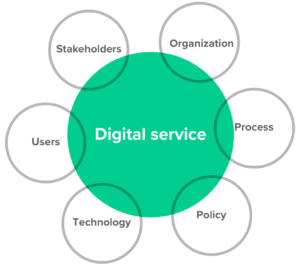
Digital transformation refers to the process of using digital technologies to change how businesses, organizations, and even society operate. It involves integrating technology into all areas of work, creating new processes, improving efficiency, and enhancing customer experiences. Digital transformation is not just about adopting new tools, it is about changing the mindset of organizations to adapt to a rapidly evolving digital world. Companies that embrace this transformation can remain competitive and respond effectively to customer needs and market changes.
Key Technologies Driving Digital Transformation
Several technologies play a vital role in digital transformation. Cloud computing allows organizations to store and access data remotely, enabling flexibility and collaboration. Artificial intelligence and machine learning help businesses analyze data, make smarter decisions, and automate repetitive tasks. Big data provides insights that were previously impossible to obtain, allowing companies to understand customer behavior and market trends. Internet of Things devices connect the physical world to digital systems, improving monitoring and management of resources. These technologies combined create new opportunities and streamline operations.
Impact on Businesses
Digital transformation has a profound impact on businesses of all sizes. It improves efficiency by automating routine processes and reducing human errors. Customer experiences are enhanced through personalized services and faster response times. Businesses can reach global markets more easily with digital marketing and e-commerce platforms. Employees benefit from collaboration tools and remote working solutions, improving productivity and flexibility. Overall, digital transformation enables organizations to innovate faster, reduce costs, and stay competitive in a dynamic market environment.
Transformation in Different Sectors
The effects of digital transformation are visible in multiple sectors. In healthcare, electronic medical records, telemedicine, and wearable health devices allow better patient care and more efficient management. Education has shifted with online learning platforms and virtual classrooms, making knowledge more accessible. In retail, digital payment systems, inventory management tools, and personalized shopping experiences are transforming how customers interact with brands. Even government services are becoming more accessible through digital platforms, improving transparency and citizen engagement. These changes demonstrate how digital transformation reshapes society as a whole.
Benefits of Digital Transformation
Digital transformation offers many benefits. It helps organizations become more agile, able to respond quickly to changing market conditions. Decision-making improves due to real-time access to data and analytics. Collaboration within organizations becomes easier with cloud-based tools and communication platforms. It also enables innovation by providing the tools and data necessary to develop new products and services. Additionally, digital transformation can lead to cost savings by optimizing processes and reducing the need for physical resources.
Challenges and Considerations
Despite its advantages, digital transformation comes with challenges. Implementing new technologies requires investment in infrastructure, training, and support. Resistance to change from employees can slow adoption and reduce the effectiveness of new systems. Cybersecurity is a critical concern, as more digital operations mean more potential vulnerabilities. Organizations must also address data privacy issues and ensure compliance with regulations. To succeed, companies need a clear strategy, skilled personnel, and ongoing support for technology adoption.
The Future of Digital Transformation
The future of digital transformation is bright, with continuous technological advancements driving further changes. Emerging technologies like blockchain, augmented reality, and advanced analytics will open new opportunities for innovation. Organizations are expected to become more data-driven, customer-focused, and agile. As digital transformation becomes central to business strategies, companies that embrace it fully will likely lead their industries. Individuals will also experience new ways of interacting with services, information, and each other in an increasingly digital society.
Conclusion
Digital transformation is reshaping the way businesses, organizations, and society operate. By integrating digital technologies into every aspect of work, organizations can improve efficiency, enhance customer experiences, and innovate faster. While challenges exist, proper planning, investment, and security measures allow businesses to successfully navigate this transformation. In the modern world, digital transformation is not just an option but a necessity for growth, competitiveness, and long-term success.