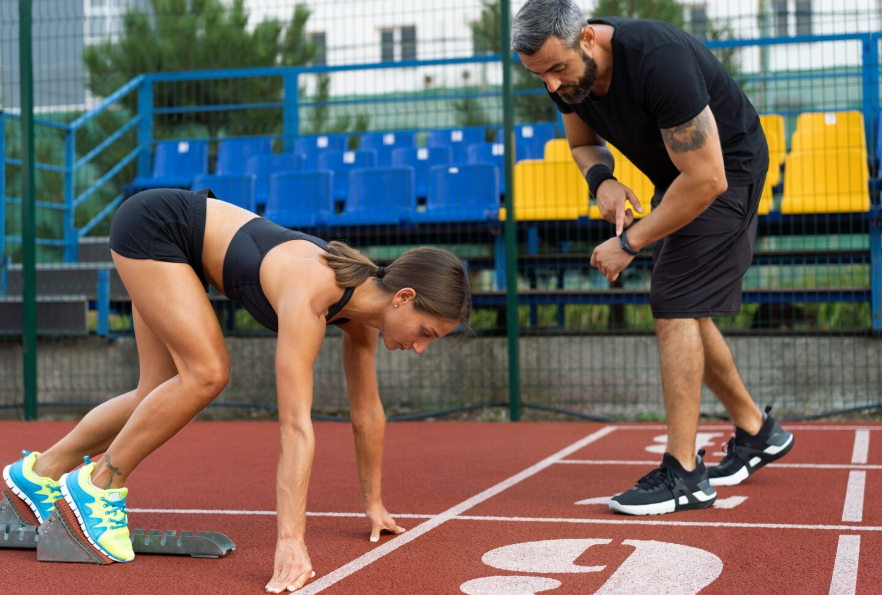

Sports Science is revolutionizing the way athletes train, recover, and compete by combining knowledge from biology, physiology, nutrition, and psychology to optimize human performance. It is no longer just about talent or hard work; scientific principles are now at the core of athletic success, helping athletes reach levels that were once considered impossible. From amateur enthusiasts to professional competitors, understanding the science behind sports can make a significant difference in results and overall well-being.
Understanding the Human Body in Motion
One of the key contributions of Sports Science is the study of biomechanics, which examines how muscles, bones, and joints work together during movement. By analyzing motion through video analysis, sensors, and motion capture technology, experts can identify inefficient techniques and correct them to prevent injuries and enhance performance. For example, a sprinter can improve stride length and reduce wasted energy, while a swimmer can adjust stroke technique to increase speed in the water. These small adjustments, guided by scientific principles, often lead to remarkable improvements in performance.
The Role of Physiology in Training
Physiology plays a vital role in determining how the body responds to different types of training. Sports scientists monitor heart rate, oxygen consumption, and muscle fatigue to design programs tailored to individual athletes. This ensures that workouts build strength, endurance, and flexibility effectively without overtraining. Understanding energy systems also allows athletes to know when to focus on explosive power versus long-duration stamina. By applying physiological knowledge, trainers can maximize the efficiency of every training session and reduce the risk of burnout or injury.
Nutrition as a Performance Tool
Nutrition is another critical component in transforming athletic performance. Sports Science helps athletes understand what to eat, when to eat, and how nutrition affects energy levels, recovery, and muscle growth. Consuming the right balance of carbohydrates, proteins, and fats before and after exercise can significantly impact endurance and strength. Hydration and micronutrients like vitamins and minerals also play essential roles in maintaining peak performance. Athletes who follow science-backed nutrition plans often experience faster recovery times and improved consistency during training and competitions.
Mental Preparation and Focus
Athletic success is not just physical; mental strength is equally important. Sports Science includes sports psychology, which helps athletes develop focus, confidence, and resilience. Techniques such as visualization, goal setting, and stress management are used to improve concentration during high-pressure situations. Athletes who can maintain mental clarity and emotional control are often able to perform at higher levels consistently. Incorporating psychological strategies into training routines ensures that both the mind and body are fully prepared for competition.
Technology and Innovation
Modern technology has become an essential part of Sports Science, providing tools to monitor performance and recovery more precisely than ever. Wearable devices track heart rate, movement, and sleep patterns, while advanced imaging techniques reveal muscle imbalances or injuries before they become serious. Data analytics allow coaches to make informed decisions about training loads and competition strategies. These innovations help athletes train smarter, reduce injury risks, and push the boundaries of what is physically possible.
Preventing Injuries and Enhancing Recovery
Injuries can be career-defining for athletes, which is why prevention and recovery are major focuses of Sports Science. Techniques such as physiotherapy, massage, and targeted strength training help keep the body resilient and reduce the likelihood of injury. Recovery methods like cryotherapy, hydrotherapy, and adequate rest are guided by scientific principles to ensure that athletes can return to training at full capacity. By combining preventive strategies with effective recovery protocols, athletes can maintain longevity in their careers and continue performing at high levels.
Real-Life Impact of Sports Science
The influence of Sports Science is visible in professional sports around the world. Elite athletes now rely on detailed data, customized nutrition, and mental training to gain competitive advantages. Even at the amateur level, sports science principles are helping people train smarter and achieve personal fitness goals efficiently. From faster sprint times to stronger endurance, the science behind athletic performance is proving that preparation, recovery, and technique are as important as natural talent.
Conclusion
How Sports Science transforms athletic performance is evident in every aspect of modern sports. By integrating biomechanics, physiology, nutrition, psychology, and technology, athletes can optimize their training, prevent injuries, and reach their full potential. The science behind sports ensures that success is no longer left to chance but built through careful planning, knowledge, and consistent application. As sports continue to evolve, the role of Sports Science will only grow stronger, guiding athletes toward peak performance and healthier, longer careers.