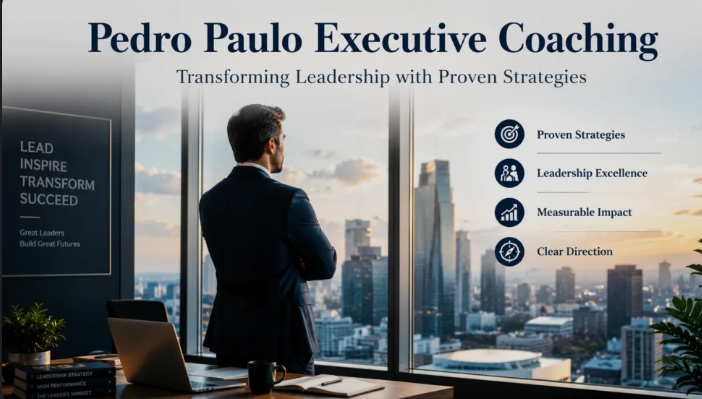

Pedro Paulo Executive Coaching has become a recognized leadership development service for executives, entrepreneurs, founders, and senior managers seeking to strengthen their leadership capabilities. The coaching focuses on helping professionals make better decisions, improve communication, build high-performing teams, and lead organizations with greater confidence and clarity.
Unlike traditional leadership training, executive coaching provides personalized one-on-one guidance tailored to each client’s goals and challenges. This guide explores the coaching approach, key features, benefits, coaching process, pricing considerations, and who can benefit most from working with Pedro Paulo.
What Is Pedro Paulo Executive Coaching?
Pedro Paulo Executive Coaching is a personalized leadership coaching service designed to help professionals enhance both personal and organizational performance. The coaching combines leadership development, strategic thinking, emotional intelligence, and accountability to support long-term professional growth.
The coaching is intended for leaders facing complex business challenges, career transitions, or organizational growth.
Typical clients include:
- CEOs
- Business owners
- Entrepreneurs
- Directors
- Senior managers
- Startup founders
- High-potential executives
What Makes Executive Coaching Different?
Executive coaching differs from seminars and online courses because it focuses entirely on the individual.
Instead of teaching general leadership concepts, coaching helps clients solve real workplace challenges while developing practical leadership habits.
Key differences include:
- Personalized coaching sessions
- Confidential discussions
- Goal-oriented planning
- Ongoing accountability
- Measurable progress tracking
Core Areas of Focus
Pedro Paulo Executive Coaching addresses several leadership competencies.
Leadership Development
Effective leaders continually develop new skills.
Coaching often focuses on:
- Building executive presence
- Increasing confidence
- Delegating effectively
- Motivating teams
- Managing organizational change
Strategic Decision-Making
Senior leaders face difficult decisions every day.
Coaching helps improve:
- Critical thinking
- Risk assessment
- Business planning
- Long-term strategy
- Problem-solving under pressure
Emotional Intelligence
Leadership success depends on more than technical expertise.
Emotional intelligence coaching includes:
- Self-awareness
- Empathy
- Conflict resolution
- Relationship management
- Active listening
Communication Skills
Strong communication improves organizational performance.
Sessions may cover:
- Public speaking
- Executive presentations
- Difficult conversations
- Stakeholder communication
- Team feedback
How the Coaching Process Works
Although every engagement is customized, the process generally follows several stages.
Initial Assessment
The coaching relationship usually begins with an assessment of:
- Current leadership strengths
- Professional challenges
- Career objectives
- Team dynamics
- Personal development goals
Goal Setting
Clear objectives are established together.
Examples include:
- Improving leadership confidence
- Managing organizational growth
- Enhancing communication
- Building stronger teams
- Increasing productivity
Coaching Sessions
Regular one-on-one sessions focus on solving current challenges while developing long-term leadership capabilities.
Sessions often involve:
- Reflection
- Strategic discussions
- Practical exercises
- Leadership frameworks
- Accountability planning
Progress Evaluation
Throughout the coaching engagement, progress is reviewed and adjustments are made as needed to keep development aligned with the client’s goals.
Benefits of Pedro Paulo Executive Coaching
Many executives pursue coaching because leadership responsibilities become increasingly complex as careers advance.
Common benefits include:
- Improved decision-making
- Greater self-confidence
- Better team performance
- Enhanced communication
- Stronger emotional intelligence
- Increased productivity
- More effective delegation
- Improved work-life balance
- Clearer strategic vision
Who Can Benefit?
Executive coaching is valuable for professionals at many stages of their careers.
Business Owners
Entrepreneurs often need support with:
- Scaling businesses
- Leadership transitions
- Hiring decisions
- Organizational structure
Corporate Executives
Senior leaders may benefit from coaching when:
- Managing larger teams
- Leading transformation initiatives
- Navigating organizational politics
- Preparing for executive promotions
New Managers
Emerging leaders frequently seek coaching to build confidence and establish effective leadership habits early in their careers.
Common Leadership Challenges Addressed
Executive coaching often helps leaders overcome challenges such as:
- Poor delegation
- Decision fatigue
- Communication breakdowns
- Team conflict
- Employee engagement
- Time management
- Leadership transitions
- Organizational growth
Skills Developed Through Coaching
Participants typically strengthen skills including:
- Leadership mindset
- Strategic planning
- Negotiation
- Coaching employees
- Change management
- Executive communication
- Performance management
- Goal setting
Why Personalized Coaching Matters
Every leader faces different challenges.
A startup founder may need help with scaling operations, while a corporate executive may focus on leading large teams or navigating organizational change.
Personalized coaching allows strategies to be tailored to individual circumstances instead of relying on generic leadership advice.
How to Measure Coaching Success
Successful executive coaching should produce measurable improvements.
Possible indicators include:
- Higher employee engagement
- Better team performance
- Faster decision-making
- Increased leadership confidence
- Improved communication
- Stronger business results
- Greater employee retention
Organizations often evaluate coaching outcomes using leadership feedback, performance metrics, and progress toward established goals.
Tips for Choosing an Executive Coach
Before selecting any executive coach, consider the following factors.
Experience
Look for experience working with leaders in similar industries or organizational sizes.
Coaching Approach
Ask about:
- Session structure
- Goal-setting methods
- Progress tracking
- Accountability practices
Communication Style
A strong coaching relationship depends on trust, openness, and constructive feedback.
Client Testimonials
Reviews and testimonials can provide insight into previous client experiences, although they should be considered alongside other factors.
Is Executive Coaching Worth the Investment?
For many professionals, executive coaching provides long-term value by improving leadership effectiveness and business performance.
Potential returns include:
- Better organizational outcomes
- Improved career advancement
- Increased confidence
- Stronger leadership capabilities
- Enhanced workplace relationships
The overall value depends on the individual’s commitment to applying what they learn during coaching sessions.
Frequently Asked Questions
What is Pedro Paulo Executive Coaching?
It is a personalized leadership coaching service designed to help executives, entrepreneurs, and business leaders improve leadership skills, decision-making, communication, and organizational performance.
Who should consider executive coaching?
CEOs, founders, managers, business owners, and professionals preparing for leadership roles can all benefit from executive coaching.
How long does executive coaching usually last?
The duration varies depending on individual goals. Some coaching engagements last a few months, while others continue longer for ongoing leadership development.
What skills does executive coaching improve?
Leadership, strategic thinking, communication, emotional intelligence, delegation, conflict resolution, and team management are common areas of focus.
Is executive coaching only for struggling leaders?
No. Many successful executives use coaching proactively to strengthen existing skills, prepare for greater responsibilities, and accelerate professional growth.
Conclusion
Pedro Paulo Executive Coaching offers a structured and personalized approach to leadership development for executives, entrepreneurs, and business professionals. By combining strategic guidance, leadership coaching, emotional intelligence, and accountability, the program aims to help leaders navigate complex business challenges while improving both personal effectiveness and organizational performance.
Whether you’re leading a growing startup, managing a corporate team, or preparing for your next executive role, professional coaching can provide valuable insights, practical strategies, and ongoing support. Choosing the right coach and committing to the development process can lead to stronger leadership, better decision-making, and sustainable career growth.