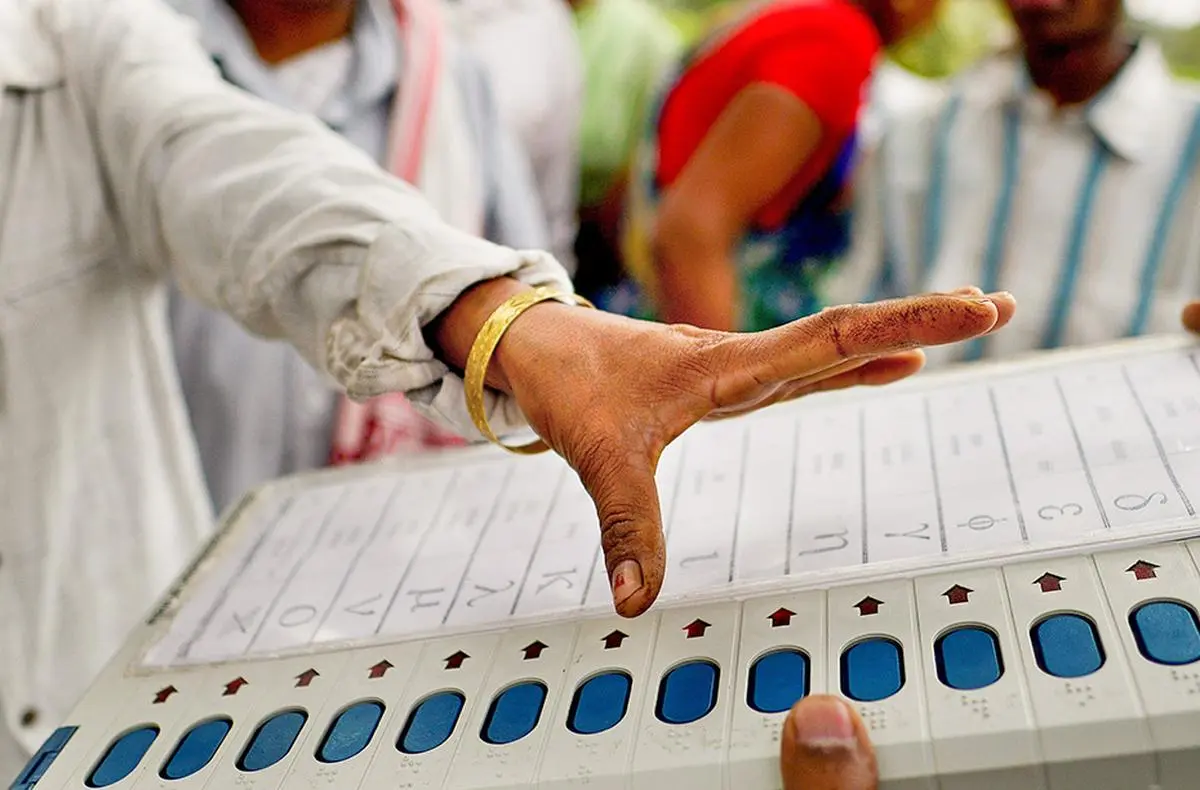

An election is one of the most important parts of a democratic political system. It gives eligible citizens an opportunity to select representatives, express political preferences, and influence the direction of government. Different countries follow different voting systems, laws, and political structures, but the basic purpose is generally to provide an organized method for choosing public officials.
The election process can involve voter registration, political campaigns, candidate debates, polling, voting, ballot counting, and the official declaration of results. National and local authorities usually establish detailed rules to protect the integrity of the process.
What Is an Election
An election is a formal process used to choose a person for public office or decide certain public questions.
Eligible voters participate according to applicable laws.
Candidates may represent political parties.
Independent candidates can also participate in many systems.
Votes are recorded and counted.
The final result determines the winning candidate or outcome.
| Topic | Basic Meaning |
|---|---|
| Voter | Eligible person who can vote |
| Candidate | Person seeking public office |
| Ballot | Method used to record a vote |
| Constituency | Geographic voting area |
| Campaign | Organized effort to gain support |
| Polling place | Official voting location |
| Vote counting | Process of calculating ballots |
| Result | Official outcome of voting |
Exact procedures depend on the country and type of vote.
Why Elections Are Important
Elections allow citizens to participate in government.
Voters can support candidates whose policies match their priorities.
Public officials can be held politically accountable.
Political competition may encourage public debate.
Different ideas can be presented to voters.
Regular voting creates a structured process for transferring political authority.
The effectiveness of the system also depends on institutions, laws, and public participation.
How the Election Process Works
The process usually begins before voting day.
Authorities prepare voter records.
Political parties may select candidates.
Independent candidates can complete required procedures.
Campaigning then takes place.
Voters receive information about candidates and policies.
Voting is conducted according to official rules.
Ballots are counted before results are formally declared.
Voter Registration
Voter registration identifies eligible voters.
Requirements vary between jurisdictions.
Age is usually an important factor.
Citizenship requirements may apply.
Residence can determine where a person votes.
Some countries register eligible voters automatically.
Others require individuals to complete a registration process.
Voters should rely on official election authorities for current registration rules.
Who Can Vote
Voting eligibility depends on national and local law.
A minimum age is generally required.
Citizenship may be necessary.
Residence requirements can apply.
Certain legal restrictions may affect eligibility in some jurisdictions.
Rules can change over time.
People should verify their eligibility using official government information rather than social media claims.
What Is a Voter ID
A voter ID is an identification document or voting-related identification record.
The meaning varies by country.
Some jurisdictions require specific identification at a polling location.
Others use different verification systems.
Acceptable documents can differ.
Voters should check current official requirements before voting day.
An unofficial online post should not be treated as confirmation of identification rules.
Political Candidates
Candidates compete for public office.
They may represent political parties.
Some run independently.
Candidates usually communicate their policy positions during campaigns.
Public speeches are common.
Interviews can provide additional information.
Debates may allow direct comparison.
Voters should examine a candidate’s documented positions rather than relying only on campaign slogans.
Political Parties
Political parties organize around shared political goals or policy positions.
They may select candidates.
Parties develop campaign strategies.
Manifestos or policy platforms can explain priorities.
Party workers may communicate with voters.
Political parties can play a major role in legislative systems.
The number and influence of parties differ between countries.
Election Campaigns
A campaign is an organized effort to gain voter support.
Candidates may hold public events.
Political advertisements can be used.
Social media has become increasingly important.
Volunteers may contact voters.
Policy documents can explain proposed plans.
Campaign laws can regulate funding and political advertising.
Rules vary significantly between jurisdictions.
Campaign Promises
Candidates often make promises during campaigns.
These can involve economic policies.
Healthcare may become a major issue.
Education is another common subject.
Infrastructure can influence voter priorities.
Tax policies may be discussed.
National security can also become important.
Voters should consider whether a promise is specific, financially realistic, and legally possible.
Political Debates
Debates give candidates an opportunity to discuss major issues.
Questions may focus on public policy.
Candidates can challenge each other’s positions.
Viewers can compare communication styles.
Debates can reveal differences between political platforms.
However, a debate performance is only one source of information.
Policy records and reliable reporting should also be considered.
Opinion Polls
Opinion polls attempt to measure public preferences.
Researchers ask a sample of people questions.
The results are used to estimate wider public opinion.
Polls are not final voting results.
Sampling methods can affect accuracy.
The wording of questions may influence responses.
Timing is also important.
A poll should always be interpreted with its methodology and margin of error in mind.
Exit Polls
Exit polls ask people about their voting behavior after they leave a voting location.
They may provide an early indication of voter trends.
Exit polls are estimates.
They are not official results.
Different organizations can produce different projections.
Sampling limitations may affect accuracy.
Official counting authorities remain the appropriate source for confirmed outcomes.
What Is a Ballot
A ballot records a voter’s choice.
Paper ballots are used in many places.
Electronic voting systems are also used in some jurisdictions.
The design of a ballot can vary.
Candidates may be listed by name.
Political party information can appear.
Some ballots include public questions or referendums.
Voters should follow official instructions when marking a ballot.
Polling Stations
Polling stations are official locations where eligible voters cast ballots.
Schools may be used.
Community buildings can serve as voting locations.
Government facilities may also be selected.
The assigned location can depend on a voter’s registered address.
Opening and closing times vary.
Voters should confirm their correct polling location through official sources.
Electronic Voting
Electronic voting uses technology to record or process votes.
Systems differ between countries.
Some use electronic voting machines.
Others continue to rely primarily on paper ballots.
Security procedures can include technical testing and administrative controls.
The exact safeguards depend on the jurisdiction.
Claims about voting technology should be checked against official documentation and credible technical evidence.
Postal Voting
Postal voting allows eligible voters to submit a ballot through an approved mail process.
Availability varies.
Registration or an application may be required.
Deadlines can be strict.
Signature or identity verification procedures may apply.
Voters should carefully follow official instructions.
Late or incorrectly completed ballots may be handled according to local law.
Early Voting
Some jurisdictions provide early voting.
This allows eligible people to vote before the main voting day.
Early voting can reduce scheduling difficulties.
Locations may differ from regular polling places.
Operating dates and times can vary.
Identification rules may still apply.
Current information should be checked with the responsible voting authority.
Vote Counting
Vote counting begins according to established procedures.
Ballots are processed.
Valid votes are identified.
Totals are calculated.
Election officials may supervise the process.
Observers can be permitted under applicable rules.
Different voting systems require different counting methods.
The time needed to complete counting can vary considerably.
Why Results Can Take Time
An election result is not always available immediately.
Large numbers of ballots may need to be counted.
Postal votes can require additional processing.
Close contests may receive greater scrutiny.
Legal procedures may establish reporting timelines.
Technical and administrative checks can also take time.
A delay does not automatically prove wrongdoing.
Evidence is required before making claims about misconduct.
Provisional and Official Results
Provisional results are early reported figures.
They may change as additional ballots are counted.
Official results are confirmed through the legally established process.
Media organizations can project winners.
A projection is not necessarily the formal legal declaration.
Voters should understand the difference.
Official authorities provide the final certified or declared outcome according to local law.
What Is a Recount
A recount involves counting votes again.
Rules vary.
A very close margin may trigger a recount in some places.
A candidate may be able to request one.
Legal conditions can apply.
Recounts are designed to verify totals.
The process does not automatically mean that the original count was fraudulent.
What Is a Constituency
A constituency is an area represented by an elected official.
Voters within the area select a representative.
The term used can differ between political systems.
District and riding are examples of related terms.
Constituency boundaries can influence representation.
Population changes may lead to boundary reviews.
The rules for drawing boundaries depend on the country.
Popular Vote
The popular vote generally refers to votes directly cast by voters.
The candidate with the most votes may win in some systems.
However, not every political system determines the final winner solely through a nationwide popular vote.
Electoral structures can differ.
Constituencies, electoral colleges, or proportional systems may influence outcomes.
Understanding the specific voting system is essential.
First Past the Post
First past the post is a voting system used in several countries.
Candidates compete within electoral areas.
The candidate receiving the most votes in a constituency wins.
An absolute majority is not always required.
A candidate can win with less than half of all votes if competitors receive fewer votes.
Supporters value its simplicity.
Critics often debate its effect on representation.
Proportional Representation
Proportional representation aims to connect legislative representation more closely with vote share.
Different versions exist.
Political parties may receive seats according to their level of support.
Some systems use party lists.
Others combine constituency and proportional elements.
Rules can be complex.
Seat allocation formulas vary between countries.
Presidential Elections
A presidential vote selects a president according to a country’s constitutional system.
The process differs widely.
Some presidents are directly elected by voters.
Others are selected through an indirect mechanism.
Term lengths vary.
Eligibility requirements also differ.
The powers of a president depend on the country’s constitution and political structure.
Parliamentary Elections
Parliamentary voting selects representatives for a legislative body.
Political parties often play a central role.
The party or coalition able to command legislative support may form a government in many parliamentary systems.
A prime minister can then lead the government.
Exact constitutional procedures vary.
Understanding the national political system helps voters interpret results correctly.
Local Elections
Local voting focuses on community government.
Mayors may be elected.
Council members can be selected.
Regional offices may also be involved.
Local decisions can affect roads, planning, public services, and community facilities.
The responsibilities of local authorities vary.
Local political participation can directly influence everyday community issues.
By Elections
A by-election can be held when a political seat becomes vacant between regular general elections.
The reasons for a vacancy can vary.
A representative may resign.
A death can create a vacancy.
Legal disqualification may occur.
The voting process fills the vacant position.
Rules and terminology differ by jurisdiction.
Referendums
A referendum asks voters to decide a public question.
The ballot may focus on a proposed constitutional or policy change.
Voters usually choose between defined options.
Referendums differ from candidate-based voting.
The legal effect of a result depends on the relevant law.
Some results are binding.
Others may be advisory.
Election Results
Results show the outcome of voting.
Vote totals may be reported.
Percentages can be calculated.
Seat numbers are important in legislative contests.
Turnout data may also be published.
Media organizations often provide analysis.
For exact figures, official voting authorities should be treated as the primary source.
Voter Turnout
Voter turnout measures participation.
It usually compares the number of voters with the eligible or registered voting population under a defined method.
High turnout can indicate broad participation.
Low turnout may lead to public discussion about political engagement.
Comparisons require caution.
Different countries may calculate and report turnout differently.
Why People Do Not Vote
People may not vote for several reasons.
Some face practical barriers.
Others are not interested in politics.
A person may dislike available candidates.
Registration problems can affect participation.
Work or travel can create difficulties.
Some voters may believe their vote has little influence.
Understanding these reasons can help explain participation trends.
Social Media and Elections
Social media has transformed political communication.
Candidates can communicate directly with supporters.
Campaign videos can spread quickly.
Political discussions happen in real time.
However, false information can also spread rapidly.
Old videos may be presented as current.
Images can be edited.
Artificial intelligence can make misleading content more convincing.
Voters should verify political claims before sharing them.
Election Misinformation
Misinformation is inaccurate information shared regardless of intent.
False voting dates can confuse voters.
Fake candidate statements may circulate.
Fabricated result graphics can spread online.
Misleading videos may remove important context.
Voting procedures and results should be verified through official sources.
Suspicious claims deserve careful examination before they are repeated.
AI Generated Political Content
Artificial intelligence can create realistic text, images, audio, and video.
This technology can be used for legitimate political communication.
It can also create deceptive material.
A fake audio clip may imitate a public figure.
Edited videos can create false impressions.
Voters should examine the original source and look for confirmation from reliable reporting.
A viral post alone is not proof.
How to Check Political Information
Identify the original source.
Check the publication date.
Read beyond the headline.
Look for complete context.
Compare multiple reliable sources.
Review official records when available.
Be cautious with screenshots that do not show a source.
Emotional language designed to create immediate anger or fear can be a reason to verify a claim carefully.
Election Security
Election security includes physical, administrative, and technical safeguards.
Voter records may require protection.
Ballot handling procedures are important.
Voting systems can require security controls.
Officials may conduct audits.
Cybersecurity can also be relevant.
The exact security framework differs between jurisdictions.
Claims of security failures should be assessed using documented evidence.
Election Fraud Claims
Fraud allegations are serious.
A social media post is not sufficient evidence.
Videos can lack context.
Statistics can be misunderstood.
Legal complaints should be evaluated according to available evidence and court or official findings.
Investigations may be conducted when credible concerns arise.
People should avoid presenting an unverified allegation as an established fact.
Role of Election Observers
Observers can monitor parts of the voting process where permitted.
Domestic organizations may participate.
International observer groups can also be invited.
Observers assess procedures according to defined standards.
They may publish reports.
Observation does not replace local election authorities.
Its purpose is generally to provide independent assessment and recommendations.
Why Every Vote Matters
Individual votes contribute to the final total.
Close contests can be decided by small margins.
Local races can have relatively limited numbers of voters.
Voting also allows citizens to formally express political preferences.
Participation does not guarantee a preferred outcome.
It does provide an opportunity to take part in the established democratic process.
Responsibilities of Voters
Voters should understand basic voting procedures.
Registration status may need to be checked.
Candidate information should be reviewed.
Political claims require critical evaluation.
Official voting instructions should be followed.
Voters should respect applicable laws.
Responsible participation also means avoiding the deliberate spread of false information.
How to Prepare for Voting Day
Confirm voter eligibility.
Check registration details if required.
Identify the correct polling place.
Review voting hours.
Understand identification requirements.
Research candidates and issues.
Plan transportation if necessary.
Use official information for last-minute procedural updates.
Preparation can reduce confusion on voting day.
Final Thoughts
An election provides an organized process for eligible voters to participate in choosing political representatives or deciding certain public questions. Registration, campaigning, voting, ballot counting, and official result declarations can all form part of the wider process.
Understanding election rules is important because voting systems differ between countries and jurisdictions. Voters should research candidates, verify political claims, and rely on official authorities for polling information and confirmed results.
Frequently Asked Questions
What is an election?
An election is a formal voting process used to select representatives or decide certain public questions according to applicable laws.
How are election results calculated?
Votes are counted under the rules of the relevant voting system. The method for determining a winner varies between jurisdictions.
What is voter turnout?
Voter turnout measures the level of participation in voting based on a defined eligible or registered voter population.
Are opinion polls the same as official results?
No. Opinion polls estimate public preferences, while official results come from the legally recognized vote-counting and declaration process.
How can voters avoid election misinformation?
Voters should check original sources, verify dates, compare reliable reporting, and use official authorities for voting procedures and confirmed results.